-
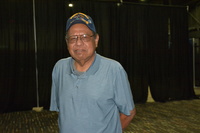 Oral history interview with Woody Kinney
Woody Kinney attended Chilocco Indian Agricultural School as a postgraduate from 1961 to 1963 where he focused on the printing trade for his vocational education. He talks about some of his professors and working in the school print shop. Kinney shares why he enlisted in the Air Force and recalls some of the duties he had as part of the air police and the base police. He discusses his life after the military and before beginning his fifty-year career with the Indian Health Service where he retired as director of Human Resources.
-
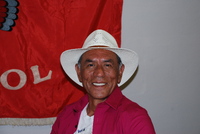 Oral history interview with Wes Studi
Wes Studi (Cherokee), a 1964 graduate of Chilocco Indian Agricultural School, discusses his path to and through Chilocco. He mentions some of the duties and experiences he had during his time at the school and how Cherokee was his first language. Studi talks about his military career and shares a few of his memories from his tours in Vietnam. He connects the regimented requirements of life at Chilocco with the regimented requirements of life in the U.S. Army. Studi also acknowledges how much he enjoys coming back to Oklahoma and to Chilocco as he continues his successful career in film.
-
 Oral history interview with Jim Baker
Jim Baker attended Chilocco Indian Agricultural School and later served as superintendent of the school. He shares some of his experiences at Chilocco as a student and as the superintendent. Baker explains the history of the school and its relation to the National Guard. He mentions challenges he faced as superintendent and talks about various programs he implemented. Baker also discusses some of the outside opinions and influences on the school. Lastly, he describes why Chilocco is special and why so many former students think back fondly on their time at Chilocco.
-
 Oral history interview with Claudine King
Claudine King (Chickasaw), a 1952 graduate of Chilocco Indian Agricultural School, talks about transferring to the school and shares some of her memories from her time as a student there. She describes the environment and the diversity of students. King discusses her life after graduating which later included returning to Chilocco as an employee. She compares her time as a student to her time as an employee and discusses some of the issues the school was facing as its closure grew closer. She also talks about how the alumni have helped keep the school's legacy alive and the positive impact Chilocco has had on most of its students.
-
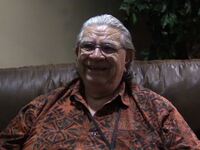 Oral history interview with Charles Chupco
Charles Chupco (Creek), a 1960 graduate of Chilocco Indian Agricultural School, talks about his time on campus and some of his memories as a student, like working in auto mechanics and participating in multiple sports. He mentions his Creek heritage and how it was nice having Creek classmates. Chupco shares why he joined the Navy after briefly being part of the National Guard at Chilocco. He discusses his twenty-year military career, serving on various ships in different locations. Chupco also talks about his post-military career and some of his duties in technical operations for a school district.
-
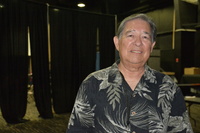 Oral history interview with Keith Franklin
Keith Franklin (Sac and Fox), a 1957 graduate of Chilocco Indian Agricultural School, talks about his journey to Chilocco and some of his early challenges with boarding school life. He describes a few of his memories from his time there as a student and the vocational work he had to do. Franklin enlisted in the U.S. Air Force and goes through his twenty-three-year military career, commenting on experiences he had and the things that he saw, both good and bad. He mentions some of the more dangerous parts of his military duties and how that danger affected him personally and those around him. Franklin shares his opinion about his military duties and the impact of the U.S. in the areas he was serving in, specifically Guam and Thailand. He also talks about how his time at Chilocco affected his time in the military.
-
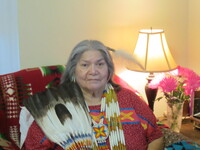 Oral history interview with Virginia McDonald Rush
Virginia McDonald Rush (Ponca), a 1956 graduate of Chilocco Indian Agricultural School, talks about her time at Chilocco and some of her activities, like band and the cosmetology program. She shares why she joined the military and explains how well prepared she was for it because of Chilocco. Rush describes some of her military experiences which included playing softball. She discusses her later career as an Indian education coordinator. She mentions some of the important people in her life and her current involvement with Chilocco.
-
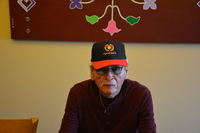 Oral history interview with Robert Buzzard
Robert Buzzard (Cherokee), a 1957 graduate of Chilocco Indian Agricultural School, talks about spending his youth near Chilocco before enrolling in the school in the ninth grade. He describes what life was like on campus and some of his memories from his time there, like helping build the football stadium bleachers. Buzzard shares how he joined the Air Force and some of the duties he had as an aircraft mechanic. He discusses his long career with a power plant where he worked his way up to operating foreman before retiring. Buzzard also talks about his continued commitment and involvement with Chilocco.
-
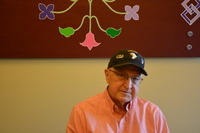 Oral history interview with George England
George England (Cherokee), a 1953 graduate of Chilocco Indian Agricultural School, talks about spending his youth near the school and then attending it. He mentions some of his student experiences and activities he participated in like sports and the school newspaper. England explains his time in the military as a paratrooper and some of his more memorable duties, like protecting the Little Rock Nine students during desegregation. He also discusses his career in the insurance business and his continued involvement with Chilocco.
-
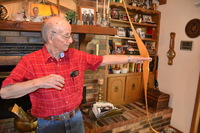 Oral history interview with Joe Thornton
Joe Thornton (Cherokee), a 1934 graduate of Chilocco Indian Agricultural School, talks about his family and how he came to be at the school. He describes a few of his student experiences and how he first became interested in archery. Thornton discusses his time in the U.S. Army, his duties as a radio technician during World War II, and parlaying those skills into a radio and television repair business. He then describes his career as an award-winning archer, his role in archery being included in the Olympics, and various worldwide competitions. Thornton also mentions some of his secrets to living to be a hundred. He also talks about representing the Cherokee Nation and Chilocco throughout his life.
-
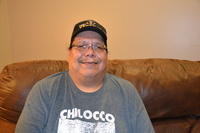 Oral history interview with Art Hill, Jr.
Art Hill, Jr. (Cheyenne and Oneida) attended Chilocco Indian Agricultural School 1979-1980, his freshman year in high school. He talks about his father's connection to Chilocco and his own decision to enroll in the school. Hill shares some of his memories of Chilocco such as being on the football team, learning self-discipline, and taking classes in automobile mechanics. He explains why he joined the military and recalls some of his specific duties. Hill comments on some of the challenges he faced as an Indian man in the military and how that impacted his experiences. He also notes his continued connection to Chilocco.
-
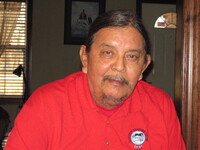 Oral history interview with John Peacock
John Peacock (Shawnee, Kickapoo), a 1969 graduate of Chilocco Indian Agricultural School, talks about enrolling in the school and adjusting to a new way of life. He describes activities he was involved in such as raising and selling livestock. Peacock explains his thirty years of military service in various branches and how he became interested in the field of communications. He discusses his work with the Indian Health Service and how he is spending his retirement years.
-
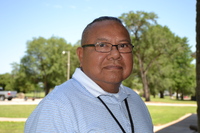 Oral history interview with Charley Johnson
Charley Johnson (Creek, Cherokee, Choctaw), a 1964 graduate of Chilocco Indian Agricultural School, talks about his journey to Chilocco and some of his experiences there. He explains how the disciplined nature of Chilocco helped prepare him for life after high school and for life in the military. Johnson shares why he enlisted in the service and about some of his duties stateside and in Vietnam. He mentions his time in jump school and some of the lessons he learned while serving, especially in Germany. Johnson discusses his career and various challenges to returning to regular life after active duty
-
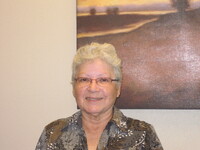 Oral history interview with Anile Locust
Anile Locust (Keetoowah), a 1966 graduate of Chilocco Indian Agricultural School, talks about her time at the school and how she decided to join the military. She attributes the schedule and shared living spaces of Chilocco to her easy adjust to military life. Locust goes through her twenty-two-year military career and explains some of the challenges she faced as a woman in a male-dominated space. She then describes what she has done since leaving the military and her work with the United Keetoowah Band of Cherokee Indians.
-
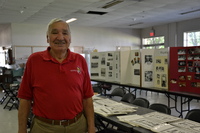 Oral history interview with Charles LeClair
Charles LeClair (Ponca, Potawatomi, Kaw), a 1948 graduate of Chilocco Indian Agricultural School, talks about his path to Chilocco and some of his experiences there, such as being involved with boxing and learning blacksmithing. He discusses joining the school's National Guard unit and how that led him to volunteer for the Air Force. LeClair describes his military service and explains how he decided to become a Baptist pastor. He discusses his next steps toward being commissioned as a chaplain in the Army. He also comments on his experiences as a chaplain and his time in Vietnam.
-
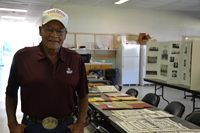 Oral history interview with Dean Hudson
Dean Hudson (Choctaw), a 1962 graduate of Chilocco Indian Agricultural School, shares his reasons for attending Chilocco and talks about some of the different activities in which he was involved, especially sports. He explains why he joined the Air Force and discusses some of his military assignments. Hudson discusses his later career in the rodeo and his enjoyment of friendly competition. He also talks about his family and why he participates in Chilocco reunions.
-
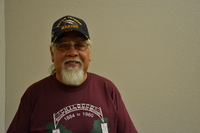 Oral history interview with Richard Mendez
Richard Mendez (Shoshone) attended Chilocco Indian Agricultural School in 1964, but left after one year and joined the Marines. He talks about his journey to Chilocco and some of the challenges he faced in his youth. Mendez discusses the regimented schedule of Chilocco and how that helped him learn. He describes his time in the military and some of his experiences working with machine guns in Vietnam during the war. He explains the various positions he held and his service in different conflicts. He then discusses his life after the military and his work with surveying land. Mendez goes on to talk about his later work in the ministry and how it has helped him overcome different issues.
-
 Oral history interview with Bunnie McCosar
Bunnie McCosar (Muscogee), a 1956 graduate of Chilocco Indian Agricultural School, talks about attending Indian boarding schools and about having an interest in military service at an early age. He shares a few of his memories from Chilocco and explains how it prepared him for military life. McCosar discusses his military career and explains the different duties he had as an aviation mechanic and a helicopter pilot trainer. He gives his take on the Vietnam War and the politics involved. McCosar comments on his life after the military, his work as a deacon, and reconnecting with his Creek heritage.
-
 Oral history interview with Frank Kekahbah
Frank Kekahbah (Kaw, Potawatomi), a 1954 graduate of Chilocco Indian Agricultural School, talks about his route to Chilocco and his involvement with various school activities. He describes the regimented schedule of Chilocco and relates it to the schedule of the military. Kekahbah discusses his life after graduating including enlisting in the Army. He explains his twenty-year military career and some of the experiences he had during his service, like training in Germany and working with dogs in Vietnam. Kekahbah also talks about his involvement with Gourd Dancing and its connection to the military.
-
 Oral history interview with Charles Burris
Charles Burris (Choctaw), a graduate of Chilocco Indian Agricultural School, shares some of his memories as a student there where he was involved with athletics and a member of the National Guard unit. He describes how his education in welding led to a job after Chilocco. Burris also talks about the value of the Chilocco reunions to him.
-
 Oral history interview with Maurice Howe
Maurice Howe (Ponca) attended Chilocco Indian Agricultural School as a postgraduate student. He talks about some of his memories as a student and how training in the operation and maintenance of heavy equipment he received there helped shape his career. Howe also discusses his military service in Vietnam where he was assigned to an engineer unit. He recalls experiences working with heavy equipment and describes his career in the construction business.
-
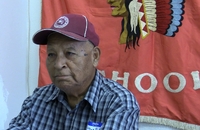 Oral history interview with Nathan Benton
Nathan Benton (Choctaw), an instructor at Chilocco Indian Agricultural School 1956-1980, talks about his childhood and the various Indian schools he attended. He explains how he received an education in the use and maintenance of heavy equipment through his schooling and later in construction work. Benton discusses his time in the U.S. Army maintaining and repairing tanks. He describes how he became a teacher at Chilocco and some of the more important lessons he taught his students. Benton mentions a few specific people from his time at Chilocco and acknowledges how important the vocational education was for students there.
-
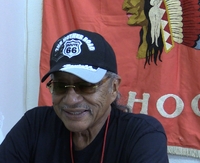 Oral history interview with Mitchell Cypress
Mitchell Cypress (Seminole), a 1966 graduate of Chilocco Indian Agricultural School, recalls moving to Chilocco from Florida and some of the challenges of going to school so far from home. He talks some of his learning experiences and joining the National Guard while a student there. Cypress discusses his time in the military after graduating and some of the unique experiences he had as one of the few Native American soldiers. He describes his career and explains how he became involved in tribal politics and government. Cypress also shares why he continues to come to reunions.
-
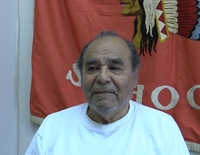 Oral history interview with Alfred Frejo
Alfred Frejo (Pawnee) attended Chilocco Indian Agricultural School as a postgraduate student in the early 1960s. He talks about his time there in the auto mechanics department and how he got involved with the National Guard. Frejo mentions some of the people from Chilocco that remain important to him. He also discusses how diverse the Indian population of Chilocco was and how everyone seemed to be a part of one big tribe at the school. He describes his military service and his assignment in a supply and transportation unit. Frejo explains his career path and his continued involvement with veteran groups. He also acknowledges how special Chilocco is to him and what he would like to see happen with the school.
-
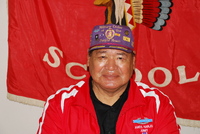 Oral history interview with Amos Harjo Jr.
Amos Harjo Jr. (Seminole) attended Chilocco Indian Agricultural School in the 1960s and before completing high school he joined the military. He recalls his time at Chilocco where he participated in athletics and received vocational training. Harjo talks about his three tours in the military, serving in different groups and being stationed in Vietnam. He goes into detail about some of his experiences in the Army and the challenges he faced coming back. Harjo mentions how Chilocco had prepared him for the military and acknowledges why it is important to him to stay connected to Chilocco.